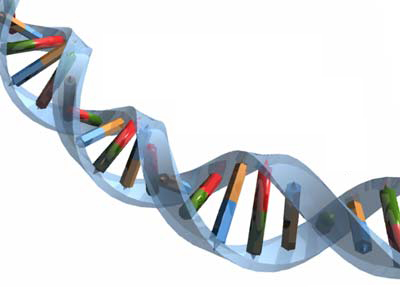
As scientific technology advances, genetic testing will undoubtedly become even more of an integral part of modern medicine.
In recent decades, significant advances have been made in the detection and diagnosis of specific genetic diseases and abnormalities. These scientific and technological advances have allowed doctors and patients an opportunity to get out in front of certain genetic issues, allowing for earlier treatment and a better quality of life for those affected. As we progress further into the 21st century, gene testing will undoubtedly increase in importance as scientists develop new ways to predict a patient’s potential for developing certain kinds of disease. However, one need not wait for the future to see how gene testing can benefit them and their loved ones: Many services offering gene testing to those who need it.
What Is Gene Testing?
Gene testing is a sophisticated technique where a person’s DNA is examined for genetic disorders. Gene testing usually involves the collection of blood, tissue or other bodily fluids. Evaluators generally look for overexpressed genes; missing, transposed or inactivated chromosomes; or a missing or altered chemical base within a cell. Genetic screenings also use biochemical tests that look for the presence or absence of certain proteins which can sometimes point toward genetic abnormalities.
Who Needs Gene Testing?
Gene testing can be beneficial to those who fear they may carry hereditary genes that could potentially lead to debilitating, life-threatening diseases. Genetic screenings can alert patients that they are probable candidates for developing diseases like Huntington’s disease, Alzheimer’s disease and certain types of cancers long before symptoms emerge. Positive test results can help a person prepare for the potential onset of a particular disease and can alert physicians to be on the lookout for potential symptoms, which can allow them to prepare early treatments when necessary. In addition, prenatal and newborn diagnostic testing can prompt doctors to watch for specific genetic problems in babies and can help parents make educated decisions on whether or not they should attempt to have children.
What Are The Benefits of Gene Testing?
Gene testing can be beneficial for those trying to conceive and who may have incompatible genes that could result in potential diseases in a newborn child. As in the case of cystic fibrosis, where two copies of genes result in the disease’s expression, gene testing can confirm whether or not the cystic fibrosis-causing gene is present in both parents, one or none. If gene testing results confirm that the gene that leads to cystic fibrosis is present in both parents, doctors and parents will know that there is a relatively high probability that a child might be born with cystic fibrosis. This knowledge can help potential parents gauge the risk of attempting to bear children, parents know what lies ahead for them and also help doctors prepare the care and treatments that might be necessary upon delivery.
In addition, gene testing can help to confirm a tricky diagnosis on a patient demonstrating confusing symptoms. Gene testing is also useful for confirming paternal identities and helping investigators to identify victims of violent crime.
