Green building represents something that today’s transitional generation doesn’t have: the promise of permanence. If we are to remain on this planet, the unspoken story goes, sustainable practices will have to become the norm.
Climate change and toxic construction materials have moved indoor landscaping and green building up on the list of priorities these days. Contractors are working closely with landscapers to create what the public wants. Consumers are increasingly pressuring builders, and their backers, to go green. Yes, those who fuel the economy have been listening to the science, and many feel that it’s either go green, or go the way of the dinosaurs.
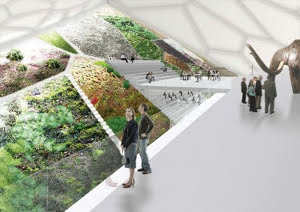
Green building represents something that today’s transitional generation doesn’t have: the promise of permanence. If we are to remain on this planet, the unspoken story goes, sustainable practices will have to become the norm. That may mean that every home will have a victory garden—and it may not necessarily be outdoors. Professional indoor landscaping is a way to meet green building codes as well as to help our consumer culture make the transition from throwaway to sustainable. When we witness the life cycles of plants and the benefits of their qualities, we will be more likely to take up green practices.
Plantscapes Meet LEED Requirements
If you are planning a green building project or retrofit, consider what interior landscaping can do for you. Potted or integrated plants may count toward a builder’s or project’s LEED certification (named for the Leadership in Energy and Environmental Design program of the U.S. Green Building Council). Buildings that are LEED certified are projected to conserve water and energy and have a heightened comfort level compared with conventionally designed structures. This makes them more attractive to buyers, tenants, workers and customers.
Can plants do all that? You bet. Interior landscapers also use live plants to divide space and create focal points for very large indoor areas. Long planters become living borders or medians where there is high foot traffic. Potted trees and flowering plants add interest to corners or other unused spots, and sunken beds can contain mixed species for a more organic approach. Whatever your project’s light properties and physical boundaries, a good interior landscaping firm can customize it with greenery.
Interior landscapers create their effects using a variety of plantings, walkways, water features, screens and walls, stones and other natural materials. Statuary and dramatic, stand-out plants—called specimens—draw the eye,and many times the viewer, to approach and appreciate them. The type of interior landscape that you need depends upon your site, the image you wish to project, and the needs of the end users.
Enhance Your Home or Business
Who are you? Who do you want to be? Interior landscape designers help you answer those questions with a vivid statement in greenery. What effect are you looking for? Formal? Lush? Native? Exotic? Each individual style makes a different psychological impact on the viewer. You’ll want to be as detailed as possible when speaking to a landscaper about what you want to achieve with your indoor space. Hire one who listens well and offers creative solutions.
Interior landscapers serve:
- Architects
- Executives
- Homeowners
- Green builders
- Property managers
Ultimately, landscape contractors serve the people who inhabit the spaces that they create.
Interiors serviced include:
- Residential condos or apartments
- Commercial office buildings
- Schools and universities
- Professional offices
- Municipal halls
- Retail stores
- Restaurants
- Hospitals
- Malls
These, in turn, reflect upon the people who congregate there. It is the landscapers’ job to synthesize the needs of a space and to choose the plantings, containers and accents to satisfy them. This must be balanced with the physical capabilities of the plants, for they must have a high growth success rate in order to be worth the investment.